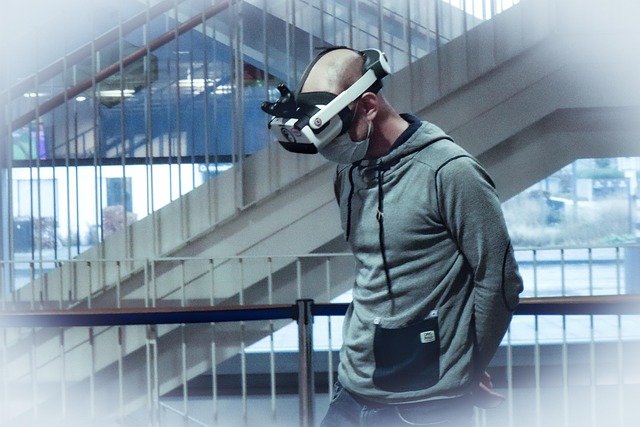
The real estate industry is experiencing a significant digital transformation, with virtual reality (VR) and online platforms revolutionizing property listings and viewings. VR allows buyers to virtually tour properties from home, while advanced online listing systems offer detailed search filters, enhancing efficiency and convenience for all parties involved. A National Association of Realtors study shows that 92% of buyers used virtual tours during their search. Real estate agents can maximize these benefits by investing in high-quality VR equipment, leveraging social media for digital showcases, and implementing user-friendly online listing systems integrated with popular search engines. By embracing these innovations, the real estate market becomes more efficient, accessible, and successful for both buyers and sellers.
In today’s fast-paced real estate landscape, streamlining processes to enhance efficiency is paramount for agents and buyers alike. One of the most significant challenges in the industry remains the time-consuming practice of scheduling and conducting unnecessary in-person showings. This not only disrupts both parties’ schedules but also contributes to a less than optimal buying experience. However, innovative technology offers a solution: virtual tours. By embracing digital advancements, real estate professionals can significantly reduce unnecessary in-person showings, providing convenience, flexibility, and an enhanced viewing experience for all involved.
Revolutionize Real Estate Listings: Digital Tools for Efficient Showings

The real estate industry is undergoing a significant transformation as digital tools revolutionize the way properties are listed and shown to potential buyers. One of the most notable changes is the substantial reduction in unnecessary in-person showings, thanks to advanced virtual reality (VR) technologies and comprehensive online listing platforms. This shift not only enhances efficiency but also offers a more convenient experience for both agents and clients. For instance, VR allows buyers to virtually walk through properties from the comfort of their homes, eliminating the need for numerous visits.
Digital tools have enabled real estate professionals to create detailed 3D models and interactive tours that closely replicate an in-person visit. These immersive experiences provide a deeper understanding of a property’s layout, features, and potential. Moreover, online listing platforms now offer robust search filters and advanced mapping capabilities, allowing buyers to efficiently narrow down their options based on specific criteria. This data-driven approach streamlines the initial screening process, saving valuable time for both agents and purchasers. A recent study by the National Association of Realtors (NAR) revealed that 87% of home buyers start their search online, underscoring the growing importance of digital tools in real estate.
To maximize these benefits, real estate agents should invest in high-quality VR equipment and learn how to create engaging virtual tours. They can also leverage social media platforms and professional networks to showcase properties digitally, reaching a broader audience with minimal effort. Additionally, implementing user-friendly online listing systems that integrate with popular search engines will ensure maximum visibility for listed properties. By embracing these digital innovations, the real estate industry can foster a more efficient, accessible, and ultimately successful market for buyers and sellers alike.
Streamline Scheduling: Strategies for Reduced In-Person Visits

In today’s fast-paced real estate market, streamlining scheduling is a powerful strategy to significantly reduce unnecessary in-person showings. This approach not only saves time for both agents and potential buyers but also enhances efficiency, ensuring that everyone involved can focus on higher-quality interactions. By leveraging technology and implementing data-driven decisions, real estate professionals can optimize their listing processes. For instance, utilizing advanced property management systems allows for automated scheduling, where clients can book viewings at their convenience, eliminating the back-and-forth communication that often arises from traditional methods.
One effective tactic is to segment the market and target specific demographics with tailored showing schedules. Consider a busy professional who may only have evenings or weekends available. By understanding this, agents can strategically plan showings during these times, reducing conflicts and increasing the likelihood of a successful visit. This approach, coupled with digital marketing strategies, ensures that properties are exposed to the right audience at the optimal time, avoiding needless visits and saving valuable time for all parties involved.
Moreover, virtual reality (VR) technology is revolutionizing how we view real estate. Buyers can now virtually tour homes from the comfort of their own spaces, eliminating the need for in-person visitations. This not only reduces travel costs and time but also offers a more comprehensive experience, allowing buyers to make informed decisions without physically being present at each property. As this technology continues to evolve, we can expect even more innovative solutions that will further streamline scheduling and enhance the overall real estate transaction process.
Enhance Client Experience: Virtual Tours and Their Impact on Sales

In today’s digital age, real estate professionals are embracing innovative tools to enhance client experiences and streamline sales processes. One such game-changer is the integration of virtual tours, which has significantly reduced unnecessary in-person showings. By creating immersive digital replicas of properties, agents can offer prospective buyers a detailed and engaging preview of homes from the comfort of their own spaces. This shift towards virtual experiences not only saves time for both parties but also ensures a safer environment during the COVID-19 pandemic and beyond.
Virtual tours provide an opportunity to showcase properties in a way that traditional in-person viewings often cannot. With 360-degree imagery, high-quality videos, and interactive features, clients can explore every nook and cranny of a home without physically being present. For instance, a prospective buyer in a different city or country can virtually walk through a property as if they were there in person, allowing for a more informed decision. A study by the National Association of Realtors revealed that 92% of buyers used virtual tours during their search, emphasizing the growing preference and reliance on digital tools in real estate. This technology enables agents to cater to a broader audience, including those with busy schedules or specific preferences who might have limited time for physical showings.
Furthermore, virtual tours offer a cost-effective solution for real estate businesses. They reduce travel expenses, minimize agent time spent on each showing, and can be easily updated and shared with clients over extended periods. As technology advances, agents should consider incorporating 3D modeling and augmented reality to take virtual tours to the next level. By combining these innovative tools with traditional marketing strategies, real estate professionals can create a seamless and efficient experience for their clients, ultimately driving sales and fostering a competitive advantage in an ever-evolving market.