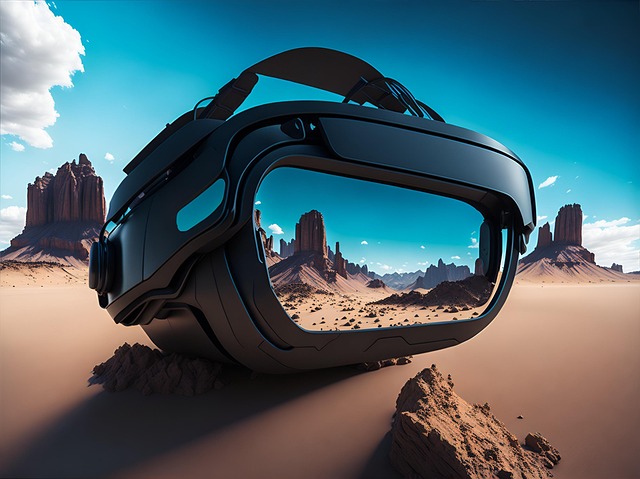
In today's digital real estate landscape, remote viewings facilitated by advanced technologies like 3D modeling, virtual tours, and AR/VR have reshaped buyer interactions. While convenience is enhanced, nuances are lost, emphasizing the critical role of expert guidance, detailed descriptions, and high-quality photography from agents to bridge this gap. Integrating digital tools with personalized interactions ensures a comprehensive experience for remote property explorers. This shift, driven by over 75% online home buyer initiations, continues evolving with sophisticated virtual tour experiences, challenging both buyers and agents to adapt: buyers to engage virtually and ask targeted questions, and agents to build strong virtual relationships through tailored communication.
In today’s digital age, potential buyers are exploring real estate remotely like never before. This shift towards virtual tours and online listings has transformed the traditional home-buying process, presenting both opportunities and challenges for industry professionals. The ability to connect with clients globally offers a wider market reach, but it also demands sophisticated strategies to engage and cater to remote buyers’ unique needs. This article delves into the evolving landscape of real estate, exploring effective approaches to facilitate seamless remote interactions and ensure a satisfying experience for everyone involved. By understanding these dynamics, industry experts can navigate this new terrain, providing exceptional service in a truly global market.
Understanding Remote Property Viewings in Real Estate

In today’s digital era, potential buyers now have the luxury of exploring real estate remotely at their convenience. This shift towards virtual property viewings has revolutionized the traditional real estate landscape, offering both opportunities and challenges for industry professionals. Understanding this dynamic is crucial as it not only caters to buyer preferences but also demands a sophisticated approach to marketing and selling properties effectively.
Real estate agents play a pivotal role in guiding buyers through remote viewings, leveraging advanced technology such as 3D tours, high-quality video conferencing, and detailed digital listings. These tools enable buyers to navigate properties virtually, gaining insights into floor plans, features, and surroundings. According to recent industry reports, nearly 75% of home buyers started their search online, emphasizing the need for immersive digital experiences. For instance, a well-crafted 3D tour can transport buyers into a property, allowing them to visualize living spaces and make more informed decisions without physically visiting.
However, remote viewings also present unique complexities. Buyers may struggle to grasp subtle nuances of a property or its surroundings solely through digital media. This is where expert guidance becomes invaluable. Agents should provide detailed descriptions, highlight key features, and address any concerns during virtual meetings. Additionally, utilizing high-resolution photography and offering multiple viewing angles can bridge the gap created by remote access. By combining digital tools with personalized interactions, real estate professionals ensure a comprehensive and satisfying experience for potential buyers exploring properties remotely.
The Technology Behind Seamless Virtual Tours
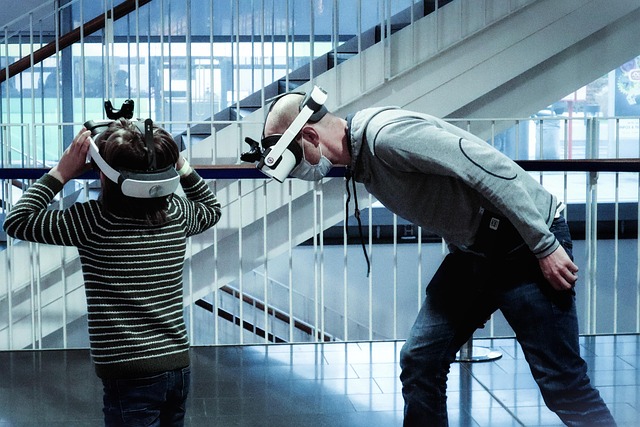
The real estate industry has witnessed a remarkable transformation with the advent of virtual tour technology, enabling potential buyers to explore properties remotely at their convenience. This shift towards digital experiences has not only redefined how we buy and sell homes but also placed a spotlight on the innovative technologies powering these immersive journeys. At the heart of this revolution lies sophisticated software that seamlessly integrates 3D modeling, high-quality visuals, and interactive elements, creating virtual environments that closely mirror physical spaces.
The technology behind seamless virtual tours involves advanced data capture methods, such as 360-degree photography and LiDAR scanning, which collect extensive data from properties. These data sets are then processed using powerful algorithms to generate detailed digital replicas of real estate listings. For instance, a study by the National Association of Realtors (NAR) revealed that over 80% of buyers used virtual tours during the COVID-19 pandemic, underscoring the technology’s growing importance in modern real estate practices. By recreating the sensory experience of visiting a property, virtual tours allow buyers to navigate rooms, examine details, and even imagine themselves living in the space, all from the comfort of their homes.
Moreover, the integration of augmented reality (AR) and virtual reality (VR) technologies takes this experience to the next level. AR overlays digital information onto the real world, enabling users to interact with virtual elements as if they were present. VR, on the other hand, immerses users in a fully digital environment, offering an even more realistic simulation of the property. For real estate professionals, these tools provide an opportunity to showcase properties’ unique features and sell potential buyers on the benefits of each space. As technology continues to evolve, the virtual tour experience will undoubtedly become more sophisticated, further bridging the physical and digital gaps in the real estate market.
Benefits and Challenges for Buyers and Agents Alike

The rise of digital technology has significantly transformed how potential buyers engage with real estate. One of the most profound changes is the ability to explore properties remotely at any time. This shift presents both significant benefits and unique challenges for both buyers and real estate agents.
For buyers, remote access offers unparalleled convenience and flexibility. They can tour homes from the comfort of their own space, saving time and effort previously spent on in-person visits. Advanced virtual reality (VR) technologies and 360-degree property tours enable buyers to gain a deeper understanding of a home’s layout and design without physical presence. Moreover, online platforms provide access to a broader range of properties, expanding search options and potentially leading to better deals. However, the lack of direct interaction with agents or other stakeholders can make it harder to gauge the authenticity of information or appreciate subtleties in property conditions.
Real estate agents face their own set of challenges and opportunities. On one hand, remote exploration tools allow them to engage a wider audience of potential buyers, increasing exposure for their listings. Digital platforms also facilitate efficient communication, enabling agents to provide timely updates and answer queries promptly. Yet, the shift to remote transactions can diminish personal connections that have traditionally been a cornerstone of real estate dealings. Agents may struggle to build trust and rapport with clients who primarily interact through digital means.
To navigate these challenges, both buyers and agents must adapt and adopt best practices. Buyers should actively engage with agents virtually, using video conferencing for in-depth discussions and leveraging online resources to ask targeted questions about properties. Agents, for their part, need to invest in building strong virtual relationships by maintaining open lines of communication, providing detailed and accurate information, and offering personalized guidance tailored to clients’ digital engagement preferences.