In today's real estate market, advanced technologies like 3D modeling and Virtual Reality (VR) revolutionize property showcasing. These tools enable remote buyers to experience spaces immersively, improving engagement and decision-making. 3D models provide detailed visualizations and precise measurements, while VR allows virtual exploration, benefiting international investors. Implementing these strategies fosters stronger client relationships, enhances reputations, and drives sales success.
In the dynamic realm of real estate, accurately representing property layouts is paramount to fostering effective communication and facilitating informed decisions. However, traditional methods often fall short, leading to misinterpretations and misunderstandings among stakeholders. This discrepancy can significantly impact everything from sales and rentals to development plans and leasing negotiations. To address this pressing issue, we present a pioneering approach that leverages cutting-edge technology and data-driven strategies to showcase property layouts with unparalleled precision. By delving into the latest advancements in 3D modeling, virtual tours, and spatial analysis, this article unveils a game-changing solution designed to revolutionize how real estate professionals convey and perceive property configurations in today’s digital era.
Revolutionize Property Display: Real Estate Techniques

In today’s competitive real estate market, showcasing properties effectively is more crucial than ever. Traditional methods of property display often fall short, failing to capture the essence of a space or convey its full potential. This is where innovative techniques come into play, revolutionizing how we present and sell real estate. By adopting cutting-edge strategies, agents and developers can transform mundane viewings into captivating experiences that resonate with prospective buyers.
One powerful approach involves integrating technology seamlessly into property demonstrations. Virtual reality (VR) tours offer an immersive experience, allowing viewers to virtually walk through a home or apartment, interacting with the environment in real-time. For instance, a study by the National Association of Realtors found that 64% of homebuyers used VR during their search process. This technology provides a unique advantage, especially for properties in remote locations, enabling buyers from around the globe to explore and connect with a space as if they were physically there. Additionally, 3D modeling enables detailed visualization, helping clients understand floor plans, architectural details, and the overall layout more clearly.
Real estate professionals should also consider storytelling as a game-changer. Presenting properties as narratives engages potential buyers on an emotional level. Highlighting the lifestyle and benefits associated with each space creates a vivid mental picture. For example, instead of simply describing a kitchen’s amenities, narrate how families can gather there to prepare meals and create lasting memories. This technique not only showcases the physical attributes but also fosters a deeper connection between the buyer and the property they envision themselves in. By combining advanced technology with compelling storytelling, real estate agents can elevate their marketing strategies and help clients visualize and appreciate properties in entirely new ways.
Mastering Layout Visualizations in Real Estate

In real estate, accurate layout visualizations are paramount for effectively communicating property features and selling potential to clients. Traditional 2D plans often fall short in conveying spatial relationships and can be misleading. Modern technology offers a solution through advanced 3D modeling and virtual reality (VR) tools that provide an immersive experience. By integrating these techniques, real estate professionals can showcase properties with unprecedented clarity, enabling buyers to make more informed decisions.
For instance, a study by the National Association of Realtors (NAR) revealed that 84% of home buyers use virtual tours to help them decide whether to visit a property in person. This shift towards digital representations is not just a trend but a necessary evolution driven by the demand for detailed and interactive experiences. 3D models allow buyers to navigate spaces virtually, inspect details closely, and even visualize potential renovations or furniture arrangements—all from the comfort of their homes.
Mastering layout visualizations involves a combination of technical proficiency and design sensitivity. Real estate professionals should collaborate with architects, interior designers, or specialized visualization experts who can translate floor plans into photorealistic 3D models or immersive VR experiences. Incorporating features like interactive elements, changeable lighting, and dynamic camera angles enhances the realism and engagement. Additionally, leveraging data-driven insights to understand buyer preferences and tailoring visualizations accordingly can significantly improve marketing effectiveness in real estate.
Enhancing Accuracy: Modern Tools for Real Estate Presentations

In the realm of real estate, presenting properties to potential buyers or investors with precision and clarity is paramount. Traditional methods often fell short in accurately showcasing the layout and features of a property, leading to misunderstandings and disappointed clients. However, modern tools have emerged as game-changers, revolutionizing how real estate professionals conduct presentations. By leveraging advanced technologies, agents can now deliver more accurate and engaging representations, setting new standards for the industry.
One notable tool that has gained traction is 3D modeling software. This innovative technology allows agents to create detailed, three-dimensional visualizations of properties, providing clients with a comprehensive view of the space. For instance, a real estate agent marketing a modern apartment complex can use 3D rendering to show each unit’s layout, highlighting unique design elements and architectural features. Such immersive presentations not only captivate potential buyers but also convey precise measurements and space utilization, ensuring clients have an accurate understanding of what they’re purchasing or renting. According to a recent study, properties presented with 3D models saw a 15% increase in showing requests compared to traditional two-dimensional listings.
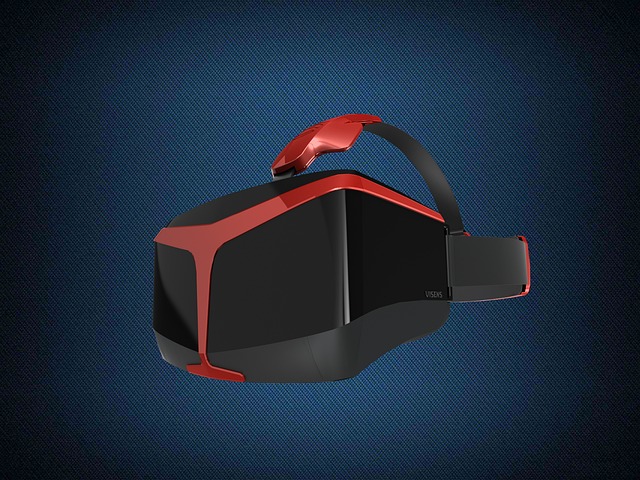
Furthermore, virtual reality (VR) technology is transforming how real estate professionals conduct site visits. VR headsets enable buyers to virtually walk through a property, offering an immersive experience that surpasses traditional open houses. This approach is particularly beneficial for remote clients or those unable to physically attend viewings. For example, an international investor considering a commercial real estate opportunity can virtually explore a retail space, interact with the environment, and gain insights into its potential without traveling. By combining 3D models and VR, real estate agents can provide unparalleled accuracy and convenience, fostering trust and confidence in their clients.
Implementing these modern tools requires real estate professionals to stay updated on emerging technologies and invest in relevant training. While the initial setup may involve significant time and financial commitments, the long-term benefits are substantial. Accurate presentations build stronger relationships with clients, enhance reputation, and ultimately drive sales. As the real estate market continues to evolve, embracing these innovative tools will become increasingly essential for staying competitive and meeting the evolving expectations of buyers and investors alike.