Immersive technologies like VR and AR are revolutionizing real estate by offering 3D home viewing experiences. These innovations enhance decision-making, reduce physical visits, and provide more accurate space representations than traditional 2D floor plans. Over 70% of professionals predict VR's essentiality within five years, especially in high-end markets. While implementation requires substantial investment, partnerships with technology providers and storytelling through immersive experiences maximize benefits. This transformation caters to modern buyer expectations, saves time, and facilitates global collaboration, ensuring real estate agents stay competitive in an evolving market.
In today’s evolving landscape of home entertainment, the real estate industry is experiencing a remarkable transformation with the advent of immersive 3D viewing experiences. As consumers increasingly seek out innovative ways to engage with properties before making significant decisions, traditional marketing methods are no longer sufficient. This article delves into the significance of integrating cutting-edge technology within real estate practices, offering a glimpse into how 3D home tours can revolutionize property viewing and cater to modern buyer preferences. By exploring these immersive experiences, we aim to provide valuable insights that can shape the future of this dynamic sector.
Exploring Immersive Technology in Real Estate
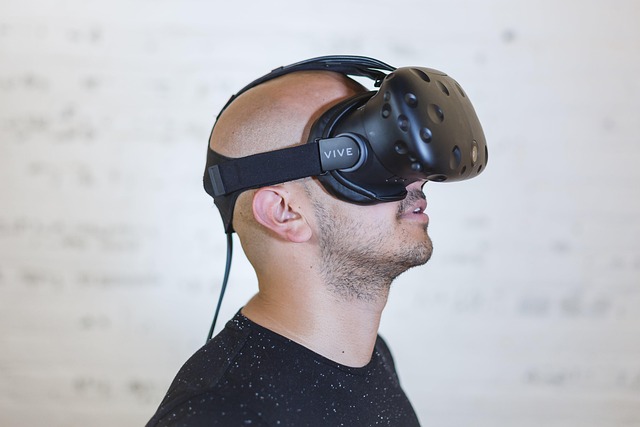
The real estate industry is undergoing a significant transformation with the advent of immersive technology, particularly 3D home viewing experiences. This shift promises to revolutionize how prospective buyers interact with properties, providing a more engaging and intuitive understanding of space. Immersive technologies such as virtual reality (VR) and augmented reality (AR) offer potential buyers the chance to virtually walk through homes, enhancing their decision-making process and reducing the need for physical site visits.
For instance, leading real estate agencies are integrating VR headsets into their sales strategies, allowing clients to explore listings from the comfort of their own homes. This technology enables users to navigate a property in three dimensions, gaining a better sense of layout and design than traditional 2D floor plans can offer. A study by Inman News found that over 70% of real estate professionals believe VR will become an essential tool for marketing properties within the next five years. This trend is especially prominent in high-end markets where buyers seek unique, cutting-edge experiences.
Implementing immersive technology in real estate offers both advantages and challenges. On the one hand, it democratizes access to properties, eliminating geographical barriers and providing a more personalized viewing experience. On the other hand, adoption requires substantial investment in hardware and software infrastructure, as well as specialized training for agents. To maximize the benefits, real estate professionals should consider partnering with technology providers who can offer scalable solutions tailored to their needs. Additionally, focusing on storytelling through immersive experiences—highlighting a property’s unique features and lifestyle benefits—can enhance client engagement and ultimately drive sales.
Creating 3D Viewings for Enhanced Home Buying

In today’s competitive real estate market, immersive 3D home viewing experiences are transforming the way potential buyers interact with properties. This advanced technology offers a significant advantage to both agents and purchasers, providing a more accurate representation of spaces that surpass traditional 2D images and floor plans. By creating lifelike, three-dimensional environments, buyers can virtually walk through homes, gaining a deeper understanding of their layout, design, and potential as living spaces.
The integration of 3D viewing in real estate naturally enhances the decision-making process. According to a recent study by Inman News, over 70% of homebuyers stated that virtual tours significantly improved their ability to visualize properties. This technological advancement allows buyers to assess a home’s true potential from the comfort of their own homes, saving time and effort during the initial screening phase. Real estate agents benefit as well, as immersive 3D experiences can distinguish them from competitors and attract tech-savvy clients.
Implementing 3D viewing requires careful consideration. Real estate professionals should invest in high-quality cameras and software capable of capturing intricate details. For instance, Matterport, a leading provider of 3D mapping technology, offers solutions that produce accurate, interactive models of properties. Additionally, incorporating augmented reality (AR) features can further elevate the experience. Buyers can use AR to virtually place furniture or envision renovations, making it easier to conceptualize the home’s future. By embracing these immersive technologies, real estate agents not only cater to modern buyers’ expectations but also facilitate more informed and satisfying transactions.
The Future of Property Tours: Virtual Reality

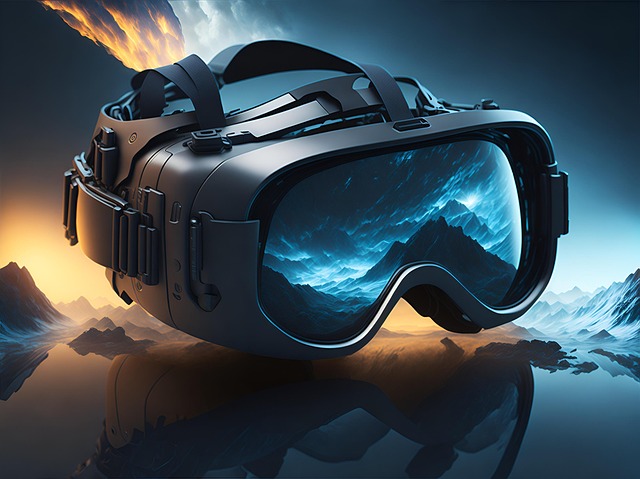
The future of property tours is poised to be revolutionized by virtual reality (VR) technology, offering a fully immersive experience for potential homebuyers and real estate professionals alike. As the real estate industry adapts to modern technological trends, VR provides an innovative solution to bridge the physical gap between buyers and properties, especially in a post-pandemic world where remote interactions have become the new norm. With VR, viewers can virtually walk through homes, interacting with their surroundings as if physically present, providing a level of engagement that traditional 2D listings cannot match.
This technology is already making waves in the market, allowing buyers to explore properties from the comfort of their own homes while enjoying a realistic, three-dimensional perspective. For instance, leading real estate agencies are adopting VR headsets to conduct virtual tours, enabling clients to visualize spaces accurately and make more informed decisions without physically visiting each property. This approach is particularly beneficial for remote areas or circumstances where in-person visits are restricted, ensuring accessibility and convenience for all parties involved. Moreover, the data suggests that VR tours can significantly increase engagement and sales conversions, as they provide a more immersive and personalized experience compared to traditional methods.
Implementing VR in real estate offers several strategic advantages. It enhances client satisfaction by providing a rich, interactive experience that goes beyond flat images or floor plans. Agents can create dynamic virtual environments, highlighting unique features and the overall ambiance of a property. Additionally, this technology enables remote collaboration for international clients, allowing them to participate in tours from anywhere globally. As the real estate market evolves, embracing such innovations will be key to staying competitive, ensuring a cutting-edge approach that caters to modern consumers’ expectations.