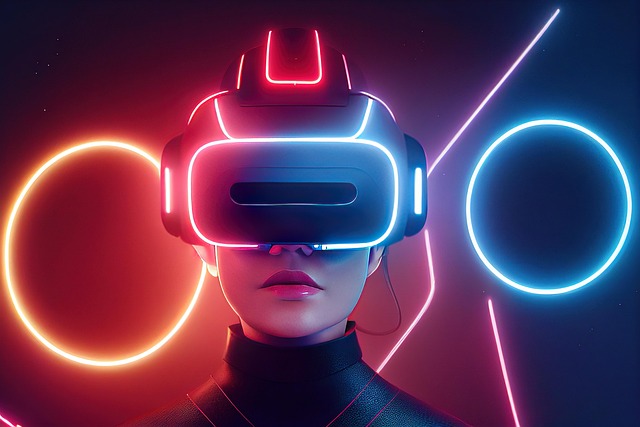
The digital revolution has fundamentally changed real estate exploration, offering remote access to global properties via virtual tours. While this trend, accelerated by COVID-19, provides schedule flexibility and cost savings, it challenges buyers' understanding of neighborhood dynamics and property accuracy. Experts recommend a balanced approach combining high-quality digital content, in-person visits where possible, thorough area research, and leveraging advanced technologies like 360-degree cameras and interactive features for immersive virtual tours. Real estate professionals must adapt by enhancing digital skills, utilizing online platforms and marketing strategies, exploring blockchain and AR, and investing in training to remain competitive in this era of remote property search.
In today’s digital age, potential buyers increasingly explore real estate remotely, anytime, and anywhere. This shift towards virtual touring has transformed the traditional home-buying process, presenting both opportunities and challenges for real estate professionals. While remote exploration offers convenience and accessibility, it also demands heightened digital engagement and sophisticated tools to effectively showcase properties. This article delves into the strategies and technologies that empower agents to facilitate seamless, engaging, and ultimately successful remote real estate experiences, ensuring top-tier service in an increasingly digital market.
Discovering Remote Real Estate Exploration Opportunities

Potential buyers now have unprecedented access to real estate exploration opportunities, all from the comfort of their homes. The rise of digital technology has transformed the way we view and engage with properties, offering a new frontier for remote property hunting. This shift presents both advantages and unique challenges for both buyers and the real estate industry.
For instance, virtual tours and 3D models enable prospects to meticulously inspect properties, transcending geographical limitations. Buyers can now wander through homes in different cities or even countries without leaving their living rooms. This accessibility is particularly beneficial for those with demanding schedules, limited mobility, or residing in areas with scarce suitable properties. According to a recent survey by National Association of Realtors (NAR), over 70% of home buyers used virtual tours during the COVID-19 pandemic, highlighting this trend’s growing significance.
However, remote exploration also introduces complexities. The lack of physical presence at potential properties can hinder a comprehensive understanding of surrounding neighborhoods and amenities. Moreover, virtual representations may not always accurately reflect reality. To navigate these challenges, expert advice suggests combining digital tools with strategic planning. Buyers should prioritize listings that offer detailed, high-quality digital content, schedule in-person visits when feasible, and research the area extensively using online resources and local expertise.
Engaging Virtual Tours: A New Standard in Buying

In today’s digital era, potential buyers increasingly explore real estate remotely at their convenience, setting a new standard for the home-buying process. Engaging virtual tours have emerged as an indispensable tool, offering an immersive experience that transcends traditional viewing methods. This shift towards virtual exploration is reshaping the landscape of real estate, empowering buyers and brokers alike with unprecedented accessibility and efficiency.
Virtual tours provide an opportunity to showcase properties in a dynamic manner, allowing prospects to navigate through spaces as if they were physically present. High-quality 3D renderings and panoramic views enable detailed inspections, capturing every angle and feature. For instance, a study by the National Association of Realtors (NAR) revealed that over 80% of buyers used virtual tours during the COVID-19 pandemic, underscoring their growing significance in the market. These digital representations not only save time but also offer a cost-effective solution for both parties involved.
Experts suggest that to excel in this environment, real estate professionals should invest in professional-grade virtual tour technology and utilize it effectively. This involves creating immersive experiences that highlight unique selling points while providing accurate representations of properties. By integrating 360-degree cameras and advanced editing software, agents can deliver high-quality content that captivates buyers. Moreover, incorporating interactive features such as zoom capabilities and annotations enhances the overall experience, fostering a deeper connection between potential owners and the property they’re considering.
The Future of Property Acquisition: Digital Strategies

The digital revolution has significantly reshaped the real estate landscape, transforming how potential buyers interact with properties and navigate the acquisition process. Remote property exploration is now a reality, thanks to advanced virtual tour technologies, 3D models, and immersive online experiences. This shift presents both opportunities and challenges for industry professionals, who must adapt their strategies to meet evolving buyer expectations. In an era where geographic boundaries are becoming increasingly flexible, digital strategies are crucial for staying competitive in the real estate market.
For instance, a study by the National Association of Realtors (NAR) revealed that over 90% of home buyers used the internet during their search process, emphasizing the need for online presence and digital marketing. Potential buyers can now virtually walk through properties located across continents, offering them a level of convenience and accessibility previously unattainable. This paradigm shift demands that real estate agents enhance their digital skills, leveraging social media, online listings, and interactive content to showcase properties effectively. By embracing these technologies, agents can expand their reach, connect with a global audience, and provide personalized experiences tailored to diverse buyer preferences.
Moreover, the future of property acquisition may involve innovative methods such as blockchain-based smart contracts for secure transactions and augmented reality (AR) applications that offer even more immersive property viewing experiences. Agents and brokers who integrate these digital tools into their practices will be better equipped to cater to tech-savvy buyers, ensuring they remain competitive in a rapidly changing market. To stay ahead of the curve, real estate professionals should invest in training and resources that enhance their digital capabilities, enabling them to provide exceptional service in this new era of remote property exploration.